
Blog
Why Teaching Civics in School Matters More Than Ever
Our country is about to turn 250 years old! Our fragile democracy, or “The Great Experiment” has endured wars, migration, expansion and development. We’ve made some big mistakes but we’ve also been the model for freedom and success. As free citizens, we can thank our founding fathers, along with millions of men and women throughout history who continue to keep this nation going. America is a very special place but it might be difficult for our students to be proud patriots if they do not have a full understanding of how our country works. Worse yet, they may get false information from invalid news sources! In this time of rapid social change, political polarization, and constant information overload, one subject quietly shapes the foundation of a healthy democracy: civics.
Civics Builds Informed Citizens
A functioning democracy depends on citizens who understand how it works. Civics education helps students learn their rights and responsibilities, how government institutions function, and how decisions are made at local, national, and global levels. Modern civics education goes beyond textbooks. It encourages students to analyze sources, question narratives, and evaluate evidence. In an era where social media and online platforms shape public opinion, these skills are essential. By learning how laws are debated, how power is distributed, and how history informs current events, students develop critical thinking skills that help them navigate complex political and social issues with clarity and confidence.
Without this knowledge, people are more vulnerable to misinformation, disengagement, and distrust in public institutions. When students understand civic processes, they are better equipped to participate meaningfully—whether that means voting, advocating for change, serving on a jury, or engaging in respectful public debate. Civics education also shows students that their voices matter and that change is possible through lawful and collective action. Civics teaches that democracy is not a spectator sport—it requires active participation!
Fostering Respect and Dialogue
Civics education also plays a key role in teaching respect for diverse perspectives. By learning about constitutional values, civil rights, and democratic principles, students are exposed to the importance of tolerance, compromise, and peaceful disagreement. These lessons help create a culture of dialogue rather than division, preparing students to engage constructively with people who hold different beliefs.

Preparing Students for Life Beyond School
Ultimately, civics prepares students for adulthood. Understanding how taxes work, how local governments operate, and how laws affect our daily lives, empowers young people to make informed decisions long after graduation.
Civics education bridges the gap between academic learning and real-world application, making it one of the most practical subjects that should be taught in school. Students who receive strong civics education are more likely to vote, volunteer, and participate in their communities as adults. They are more likely to develop a sense of pride and show patriotism by having in-depth knowledge of how special America really is!
Engaging Classroom Ideas for Teaching Civics:
Mock Elections and Simulations
Let students experience democracy firsthand.
- Hold a mock election tied to current issues or school policies
- Simulate Congress, a city council meeting, or a court case
- Assign roles (legislators, judges, journalists, voters) to show how systems interact
These activities build understanding of process and compromise.
Classroom Constitutions
Have students write their own constitution or bill of rights.
- Discuss fairness, rules, and consequences
- Vote on amendments
- Compare their document to the U.S. Constitution
This works especially well in elementary and middle school.
Current Events & Civic Discussions
Connect civics to the real world.
- Weekly current-events discussions
- Analyze a local issue and propose solutions
- Practice civil discourse and respectful disagreement
Use sentence starters and discussion norms to keep conversations constructive.
Service Learning Projects
Civics + community = powerful learning.
- Organize a food drive or community clean-up
- Partner with a local nonprofit
- Research a community problem and advocate for change
Students see how civic action creates real impact.
Media Literacy & Fact-Checking
Teach students how to evaluate information.
- Compare news coverage from different outlets
- Identify bias, opinion, and misinformation
- Practice verifying sources
This is essential for modern civic participation.
High-Quality Civics Teaching Resources:
iCivics
- Free lesson plans, games, and simulations
- Great for grades 3–12
- Students especially love the interactive games like Win the White House
National Constitution Center
- Primary sources and interactive lessons
- Constitution Day materials
- Live and recorded scholar talks
- Excellent for deeper constitutional understanding
Facing History & Ourselves
- Focuses on democracy, human rights, and ethical decision-making
- Strong discussion-based lessons
- Especially effective for middle and high school
Newsela
- Current events articles at multiple reading levels
- Civics and government-focused content
- Built-in discussion questions and quizzes
- Great for differentiation
C-SPAN Classroom
- Real-world government footage
- Bell-ringers, lesson plans, and primary sources
- Helps students see government in action
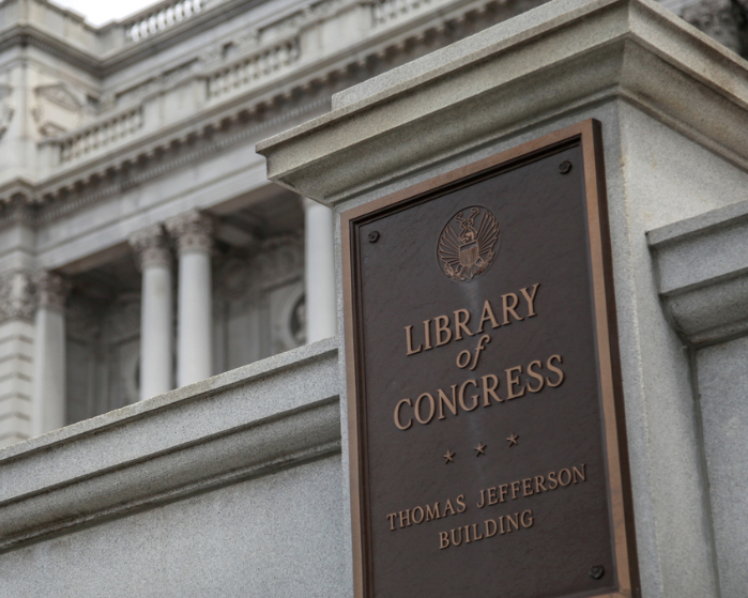
The Teacher’s Academy’s course, The Library of Congress for Teachers
This course has several excellent resources for helping teachers bring effective civics instruction into the classroom. The quick, 6-hour professional development course provides teachers with tools to navigate one of the largest libraries in the world as well as connecting students directly with current government proceedings.
Cross-Curricular Civics Ideas
- ELA: Analyze speeches, Supreme Court opinions, or political rhetoric
- Math: Study voting data, polling, and demographics
- History: Connect historical movements to present-day civic issues
- Art: Design posters, political cartoons, or public service campaigns
Tips for Success
- Create clear norms for respectful discussion
- Encourage questioning, not just right answers
- Include local and student-relevant issues
- Make space for multiple perspectives
- Civics is most effective when students feel their voices matter
By prioritizing civics in schools, we help ensure that the next generation is not only educated, but also engaged, informed, and contribute to a democratic society.